The Future Of Shopping: How Predictive Retail Is Quietly Changing Everything You Buy
In the modern digital landscape, have you ever felt like your favorite shopping app knows you better than your closest friends? You glance at a product once, and suddenly, a perfectly timed notification offers exactly what you were looking for at a price you can’t ignore. This isn’t a coincidence or a stroke of luck; it is the sophisticated result of predictive retail. The way we consume products and services has shifted from a reactive model to a proactive one. Brands are no longer waiting for you to walk into a store or type a query into a search bar. Instead, they are using vast amounts of data to anticipate your next move. Predictive retail is currently one of the most discussed topics in the US tech and business sectors because it bridges the gap between customer desire and immediate fulfillment. For anyone looking to understand how the digital economy is evolving—whether you are a consumer, an entrepreneur, or a creator—mastering the concepts behind predictive retail is essential. It is the invisible force driving billions of dollars in revenue and shaping the user experience on every major mobile platform today. Why Predictive Retail is the Most Important Tech Trend of 2024The rise of predictive retail marks the end of the "one size fits all" marketing era. In the past, companies would blast generic advertisements to millions of people, hoping a small percentage would find the content relevant. Today, the strategy has flipped. Current market data suggests that US consumers now expect a high degree of personalization. If an experience doesn't feel tailored to their specific interests, they are likely to bounce within seconds. Predictive retail solves this by analyzing historical data, social media signals, and real-time browsing behavior to curate a unique digital storefront for every individual user.
How Predictive Retail Algorithms Know What You Want Before You DoAt the heart of this revolution are complex algorithms that function similarly to a digital psychic. By utilizing machine learning, predictive retail systems can identify patterns that are invisible to the human eye. For instance, an algorithm might notice that a specific segment of users in the US tends to browse for fitness gear on Tuesday evenings but only makes purchases on Friday mornings after receiving a paycheck. By recognizing this pattern, predictive retail tools can trigger a perfectly timed email or "limited time" discount right when the user is most likely to convert. The Power of Pattern Recognition in Modern CommerceData is the fuel for predictive retail. Every click, scroll, and "like" serves as a data point that helps refine the user profile. In the US market, where mobile-first shopping is the standard, these micro-interactions are tracked with incredible precision. When predictive retail is executed correctly, it feels helpful rather than intrusive. It removes the "friction" of shopping by presenting the user with a curated selection of items that align with their aesthetic preferences, budget, and current needs. This level of accuracy is why major platforms are investing so heavily in AI-driven forecasting. Transforming Inventory and Supply Chains Through Predictive Retail InsightsBeyond the customer-facing side, predictive retail is fundamentally changing how businesses operate behind the scenes. One of the biggest challenges for any retail venture is managing inventory. Ordering too much leads to waste, while ordering too little leads to lost sales. By using predictive retail models, companies can forecast demand with a high degree of accuracy. They can look at seasonal trends, geopolitical events, and even local weather patterns to determine exactly how much stock is needed in a specific region. Reducing Waste and Increasing ProfitabilityIn the US, where sustainability is becoming a major consumer priority, predictive retail offers a way to reduce the environmental impact of overproduction. When brands know exactly what will sell, they produce less "dead stock." For entrepreneurs and digital sellers, predictive retail insights mean higher profit margins. Instead of spending money on broad, ineffective campaigns, they can focus their resources on the products and audiences that the data indicates will be the most profitable. Navigating the Privacy Landscape: Is Personalized Shopping Crossing the Line?As predictive retail becomes more integrated into our daily lives, questions about data privacy and consumer consent have moved to the forefront of the conversation. Many US users wonder how much information is too much when it comes to tracking their digital footprints. The challenge for the industry is to maintain the benefits of predictive retail—such as convenience and personalization—without compromising user trust. This has led to a surge in "privacy-first" data collection methods, where insights are gathered in a way that protects individual identities. Consumer Consent and Data Security in the New Digital MarketModern predictive retail strategies are increasingly relying on first-party data. This is information that users voluntarily provide in exchange for a better experience. By being transparent about how data is used, brands can build long-term relationships with their audience. In sensitive or highly competitive niches, maintaining this trust is even more critical. Users are more likely to engage with a platform that uses predictive retail to enhance their experience if they feel their personal information is being handled with care and professional integrity. Leveraging Predictive Retail for Independent Creators and Digital EntrepreneursWhile the term is often associated with giant corporations, predictive retail is increasingly accessible to independent creators and small business owners in the US. Modern e-commerce platforms and social media tools now offer built-in analytics that provide "predictive" suggestions for content and product launches. For a creator looking to monetize an audience, understanding the principles of predictive retail can be a game-changer. It allows them to understand which "vibe" or "aesthetic" is trending and tailor their offerings accordingly. Identifying High-Conversion Niches with Data AnalyticsBy looking at search volume and engagement metrics, creators can use predictive retail logic to spot a rising trend before it goes mainstream. This "early mover" advantage is often the difference between a viral success and a project that fails to gain traction.
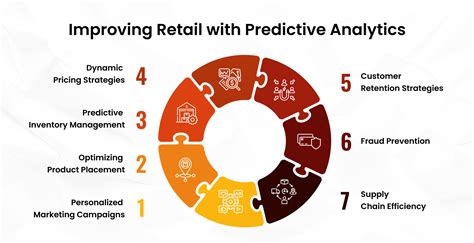
Retail Predictive Analytics: Usage, Benefits & More👌
Consumer Consent and Data Security in the New Digital MarketModern predictive retail strategies are increasingly relying on first-party data. This is information that users voluntarily provide in exchange for a better experience. By being transparent about how data is used, brands can build long-term relationships with their audience. In sensitive or highly competitive niches, maintaining this trust is even more critical. Users are more likely to engage with a platform that uses predictive retail to enhance their experience if they feel their personal information is being handled with care and professional integrity. Leveraging Predictive Retail for Independent Creators and Digital EntrepreneursWhile the term is often associated with giant corporations, predictive retail is increasingly accessible to independent creators and small business owners in the US. Modern e-commerce platforms and social media tools now offer built-in analytics that provide "predictive" suggestions for content and product launches. For a creator looking to monetize an audience, understanding the principles of predictive retail can be a game-changer. It allows them to understand which "vibe" or "aesthetic" is trending and tailor their offerings accordingly. Identifying High-Conversion Niches with Data AnalyticsBy looking at search volume and engagement metrics, creators can use predictive retail logic to spot a rising trend before it goes mainstream. This "early mover" advantage is often the difference between a viral success and a project that fails to gain traction. Instead of guessing what an audience wants, savvy entrepreneurs use predictive retail tools to validate their ideas. They look for clusters of interest and unmet needs, ensuring that every piece of content or product they release has a built-in market waiting for it. The Role of Visual Search and Augmented Reality in Predicted SalesThe next frontier for predictive retail involves visual and immersive technologies. In the US, the integration of visual search—where you can take a photo of an item and find it instantly online—is becoming a standard feature for many shopping apps. When combined with predictive retail, these tools become even more powerful. If a system knows your style and sees what you are currently looking at, it can suggest complementary items through augmented reality (AR), allowing you to "try on" a product virtually before committing to a purchase. Enhancing the Mobile Shopping ExperienceSince the majority of US consumers shop on their smartphones, predictive retail must be optimized for mobile-first layouts. This means lightning-fast load times, intuitive navigation, and "one-click" checkout processes that are triggered by predictive insights. The goal is to create a seamless loop where the user is constantly discovered by products they love. This "discovery" engine is what makes predictive retail so addictive and effective at driving long-term user engagement. Strategic Implementation: How Businesses Adopt Predictive Retail ModelsFor a business to successfully implement predictive retail, it must first focus on data hygiene. This means collecting high-quality, relevant information that can actually provide actionable insights. In the US market, where competition is fierce, the quality of your data is your most significant competitive advantage. Many companies are now hiring specialized data scientists to oversee their predictive retail departments. These professionals look for "correlations" that others might miss, such as the relationship between a specific trending song and the sudden spike in sales for a particular fashion accessory. The Importance of Human Oversight in AI-Driven RetailWhile the AI handles the heavy lifting, human intuition still plays a vital role in predictive retail. Algorithms can sometimes miss the nuance of cultural shifts or sudden social changes. A successful strategy combines the "cold hard facts" of predictive retail data with the creative vision of a professional who understands the target audience's emotions and aspirations. This hybrid approach ensures that the brand remains relatable and "human" while still benefiting from the massive efficiency gains that come with automated forecasting. The Future of the Industry: Hyper-Personalization and Voice CommerceLooking ahead, predictive retail is expected to become even more granular. We are moving toward a world of "hyper-personalization," where the digital experience is so tailored that no two users will ever see the same version of a website or app. Voice-activated assistants are also playing a larger role in predictive retail. In many US households, devices are already capable of suggesting "re-orders" for household items before the consumer even realizes they are running low. This level of integration represents the ultimate goal of the industry: making the act of "shopping" almost entirely invisible. Exploring the Benefits of Proactive Shopping ExperiencesStaying ahead of the curve in the world of predictive retail requires a commitment to constant learning and adaptation. As technologies evolve, the ways we identify trends and connect with audiences will continue to shift. By focusing on data-driven insights and user-centric strategies, anyone can navigate this complex landscape with confidence. Whether you are looking to optimize your own shopping habits or build a platform that anticipates the needs of thousands, the principles of predictive retail offer a clear roadmap to success. The key is to remain curious, stay informed about new tools, and always prioritize the needs of the end-user. ConclusionThe evolution of predictive retail is not just a technological shift; it is a fundamental change in the relationship between brands and consumers. In the US, where the digital marketplace is more crowded than ever, the ability to anticipate and fulfill needs in real-time is the ultimate differentiator. As we have explored, predictive retail empowers businesses to be more efficient, creators to be more relevant, and consumers to enjoy a more personalized world. While there are certainly challenges to navigate regarding privacy and data ethics, the potential for a more streamlined and intuitive shopping experience is undeniable. By embracing the power of predictive retail, we are stepping into a future where the things we need—and the things we love—find us exactly when we need them most. Stay curious, keep exploring the latest trends, and watch as the world of commerce continues to transform around you.
Instead of guessing what an audience wants, savvy entrepreneurs use predictive retail tools to validate their ideas. They look for clusters of interest and unmet needs, ensuring that every piece of content or product they release has a built-in market waiting for it. The Role of Visual Search and Augmented Reality in Predicted SalesThe next frontier for predictive retail involves visual and immersive technologies. In the US, the integration of visual search—where you can take a photo of an item and find it instantly online—is becoming a standard feature for many shopping apps. When combined with predictive retail, these tools become even more powerful. If a system knows your style and sees what you are currently looking at, it can suggest complementary items through augmented reality (AR), allowing you to "try on" a product virtually before committing to a purchase. Enhancing the Mobile Shopping ExperienceSince the majority of US consumers shop on their smartphones, predictive retail must be optimized for mobile-first layouts. This means lightning-fast load times, intuitive navigation, and "one-click" checkout processes that are triggered by predictive insights. The goal is to create a seamless loop where the user is constantly discovered by products they love. This "discovery" engine is what makes predictive retail so addictive and effective at driving long-term user engagement. Strategic Implementation: How Businesses Adopt Predictive Retail ModelsFor a business to successfully implement predictive retail, it must first focus on data hygiene. This means collecting high-quality, relevant information that can actually provide actionable insights. In the US market, where competition is fierce, the quality of your data is your most significant competitive advantage. Many companies are now hiring specialized data scientists to oversee their predictive retail departments. These professionals look for "correlations" that others might miss, such as the relationship between a specific trending song and the sudden spike in sales for a particular fashion accessory. The Importance of Human Oversight in AI-Driven RetailWhile the AI handles the heavy lifting, human intuition still plays a vital role in predictive retail. Algorithms can sometimes miss the nuance of cultural shifts or sudden social changes. A successful strategy combines the "cold hard facts" of predictive retail data with the creative vision of a professional who understands the target audience's emotions and aspirations. This hybrid approach ensures that the brand remains relatable and "human" while still benefiting from the massive efficiency gains that come with automated forecasting. The Future of the Industry: Hyper-Personalization and Voice CommerceLooking ahead, predictive retail is expected to become even more granular. We are moving toward a world of "hyper-personalization," where the digital experience is so tailored that no two users will ever see the same version of a website or app. Voice-activated assistants are also playing a larger role in predictive retail. In many US households, devices are already capable of suggesting "re-orders" for household items before the consumer even realizes they are running low. This level of integration represents the ultimate goal of the industry: making the act of "shopping" almost entirely invisible. Exploring the Benefits of Proactive Shopping ExperiencesStaying ahead of the curve in the world of predictive retail requires a commitment to constant learning and adaptation. As technologies evolve, the ways we identify trends and connect with audiences will continue to shift. By focusing on data-driven insights and user-centric strategies, anyone can navigate this complex landscape with confidence. Whether you are looking to optimize your own shopping habits or build a platform that anticipates the needs of thousands, the principles of predictive retail offer a clear roadmap to success. The key is to remain curious, stay informed about new tools, and always prioritize the needs of the end-user. ConclusionThe evolution of predictive retail is not just a technological shift; it is a fundamental change in the relationship between brands and consumers. In the US, where the digital marketplace is more crowded than ever, the ability to anticipate and fulfill needs in real-time is the ultimate differentiator. As we have explored, predictive retail empowers businesses to be more efficient, creators to be more relevant, and consumers to enjoy a more personalized world. While there are certainly challenges to navigate regarding privacy and data ethics, the potential for a more streamlined and intuitive shopping experience is undeniable. By embracing the power of predictive retail, we are stepping into a future where the things we need—and the things we love—find us exactly when we need them most. Stay curious, keep exploring the latest trends, and watch as the world of commerce continues to transform around you.
How Predictive Analytics is Transforming Retail
Read also: Accident On Loop 10 Athens Ga Today